


America loves a good train wreck and few have derailed quite as catastrophically as Elizabeth Holmes.
To recap:
At 19, she dropped out of Stanford to found Theranos, promising to revolutionize medicine by running hundreds of blood tests from a single drop of blood using a machine the size of a toaster.
By 30, she was the world’s youngest self-made female billionaire.
By 39, she was in federal prison.
In 2022, Holmes was convicted on four counts of fraud and conspiracy for deceiving Theranos investors and sentenced to 11 years and three months in federal prison. In a curious twist, she was acquitted of all four patient-related fraud charges.
Like many others, I’ve been enthralled by Holmes’ story since watching HBO’s The Inventor in 2019. I’ve since consumed just about every piece of media about her, including John Carreyrou’s book, Bad Blood, the ABC News podcast The Dropout, and the Hulu miniseries of the same name starring Amanda Seyfried in an Emmy- and Golden Globe-winning performance.
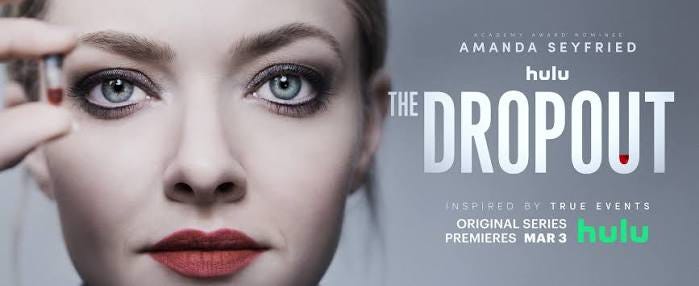
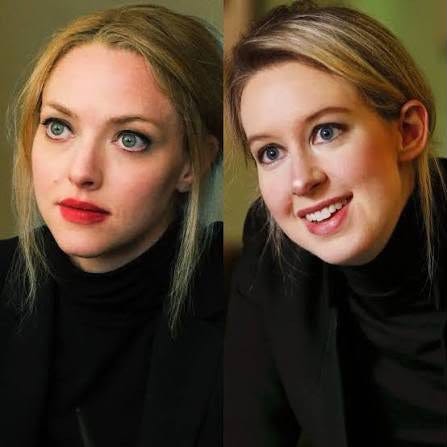
At this point, I’ve consumed more Elizabeth Holmes content than Theranos ever successfully processed blood samples. So naturally, I had to see the latest installment in her seemingly endless media saga.
The new documentary, You Can See Everything, from comedian Nathan Fielder and director Lance Oppenheim, follows Holmes during the final 34 days before she reported to prison in May 2023. She and her partner, Billy Evans, invite the filmmakers to live with them and their two young children in a rented cottage overlooking Del Mar Beach, offering an intimate and bizarre glimpse into their lives.
There are many bewildering aspects to this film, starting with the fact that the documentary was Holmes’ idea, not the filmmakers’. She and Billy Evans had approached A24 about documenting her life long before Nathan Fielder and Lance Oppenheim entered the picture.
Knowing this changes how we understand everything that follows. Holmes presumably sees the documentary as a vehicle to rehabilitate her image and improve her chances of being pardoned.
It also raises questions about how much she rehearsed for her “performance” before the cameras arrived.
Throughout the film, she seems remarkably chill for someone who’s about to spend the next decade in prison. It’s hard to tell if she’s really that unfazed by her circumstances, or if we’re watching someone who has carefully calculated how she wants the world to see her.
General Thoughts
I’ve never experienced a livelier movie audience before.
When the credits rolled, the theater was buzzing. People spilled into the hallway, milling around to discuss what we all witnessed.
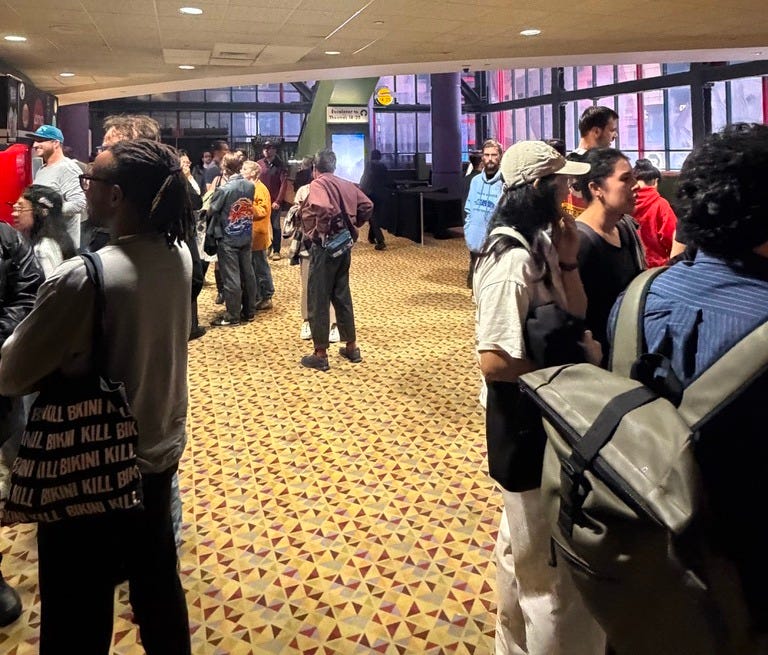
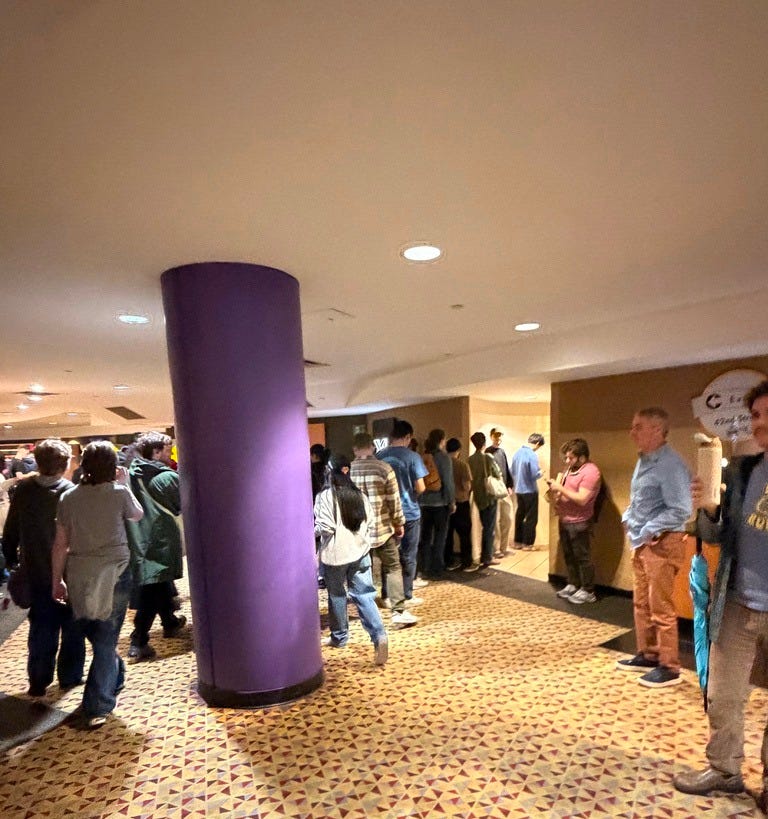
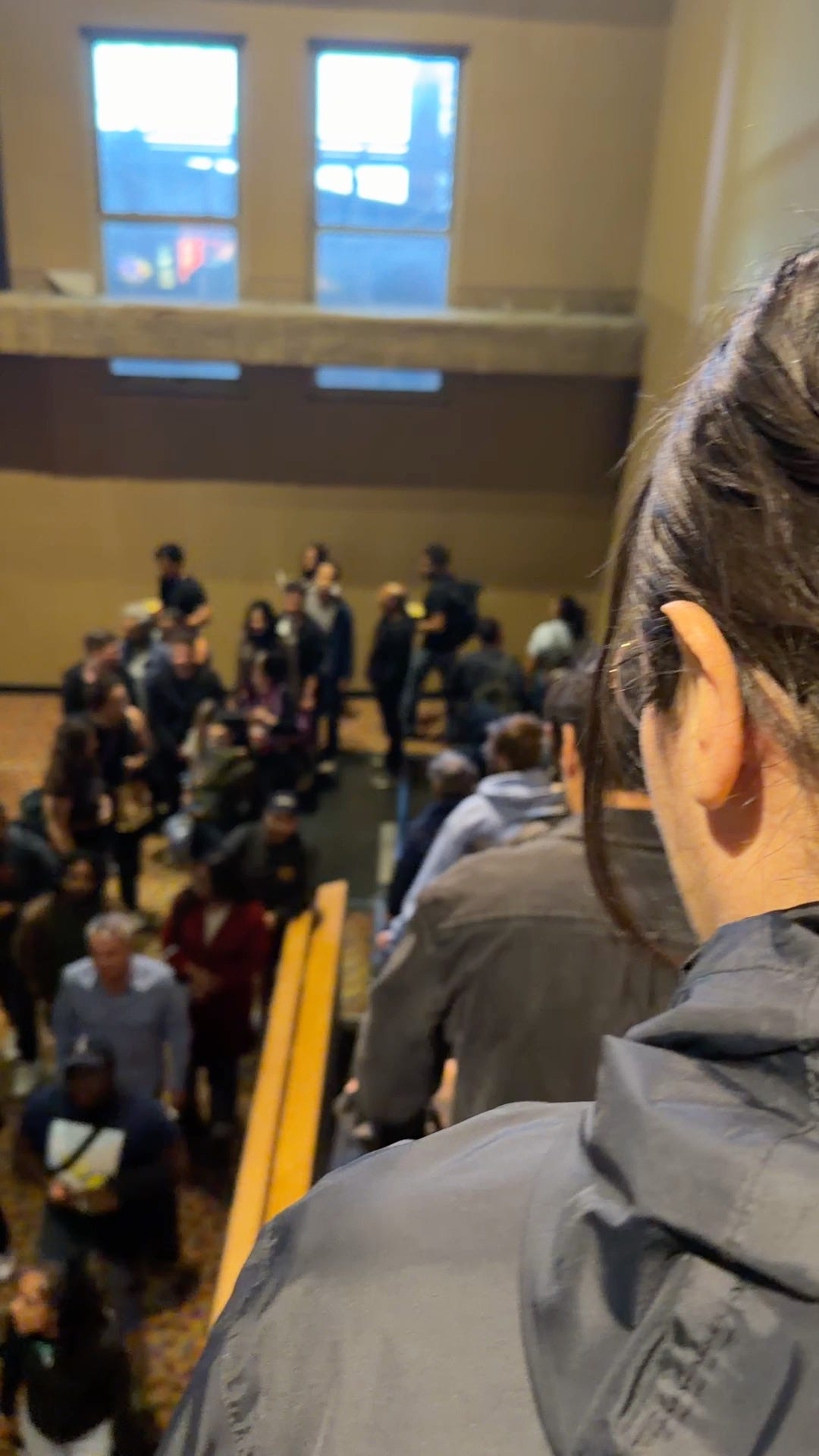
This is a book club equivalent of a film. It’s like being let in on the juiciest piece of gossip that you immediately need to discuss with everyone you know.
Everyone leaving the theater seemed euphoric.
But I wasn’t.
After three hours of laughing at two people destroy their lives, I left feeling a little sad and depleted. In the moment it was a thrilling rush, but once it ended it hit me how pathetic Holmes’s life had become, and how much fun we’d all had watching it fall apart. I couldn’t help but feel a little gross. Nevertheless, I want to go see the film again.
At the same time, the commodification of this person’s life is exactly what she wants. So, by seeing the film, are we actually helping her “win?” Is giving too much oxygen to her story actually part of the problem?
Analysis of Some Scenes
In one scene, Holmes breaks down crying at a photoshoot to make an AI hologram out of her because it reminds her of the media attention she claims she never wanted and how badly that experience turned out for her. It is a moment that makes you stop and go, huh? So what were all those cover shoots and interviews about? She contradicts her own personal story multiple times, yet remains so unwavering in her story that you almost start to believe her.
For years, I assumed Holmes must privately feel some guilt about her crimes, even if she couldn’t bring herself to admit it publicly. But the documentary makes clear she is convinced of her innocence and incapable of seeing how she bears any responsibility for her fate.
“I know I didn’t commit any crime,” she says.
This naturally befuddles Fielder, considering Holmes committed one of the most notorious frauds of the 21st century. Trying to get a straight answer out of her is like interrogating a brick wall.
Holmes insists the science worked and that her machine can run hundreds of blood tests. After getting trapped in a neurodivergent AF loop of linguistic technicalities, Fielder realizes they’re operating with two entirely different definitions of the word can. Holmes means the technology is theoretically capable of performing those tests someday.
For a moment, you almost want to sympathize with her. Maybe she’s not deliberately lying. Maybe she’s just a misunderstood, autistic-coded girlboss who girlbossed too close to the sun, and everyone else has taken her words far too literally.
The scene is so effective that for the rest of the film, you almost find yourself buying her version of events even though the evidence against her is overwhelming. Suddenly, she’s not a convicted fraudster but a socially awkward visionary being eaten alive by a cruel media establishment determined to destroy an ambitious woman.
Because the movie chooses not to relitigate the past, it’s easy to forget that Holmes personally doctored reports and passed them off as independent validation of her technology.
In the next scene, Fielder shows her Abbott and Costello’s famous Who’s on First? routine to illustrate how their conversations keep getting lost in translation. Holmes has never seen it, let alone even heard of it or the famous comedians. She watches blankly, completely missing the joke. When Fielder asks her to explain what’s funny, she has absolutely no idea. As he explains the joke, she becomes visibly upset and curls into a ball of sadness, feeling like the dumbest person alive.
Billy immediately reassures her, insisting that Fielder has actually come up with a brilliant metaphor for how differently her brain works.
Big Bad Billy
Much of the film focuses on her partner Billy Evans, a spoiled-rotten nepo baby whose family owns a San Diego luxury hotel empire.
Fielder asks Evans what everyone’s thinking: why would a wealthy, young, hunky guy (with an impressive penis which he shows off in the shower) choose to build a life with a woman whose life is in the toilet?
Evans explains that he fell in love almost immediately after meeting Holmes at a friend’s party in 2017. Apparently, she was wearing enormous sunglasses, a floppy hat, and a giant Band-Aid across her face after being scratched by her husky. He could barely see her face, yet somehow knew he’d met someone special.
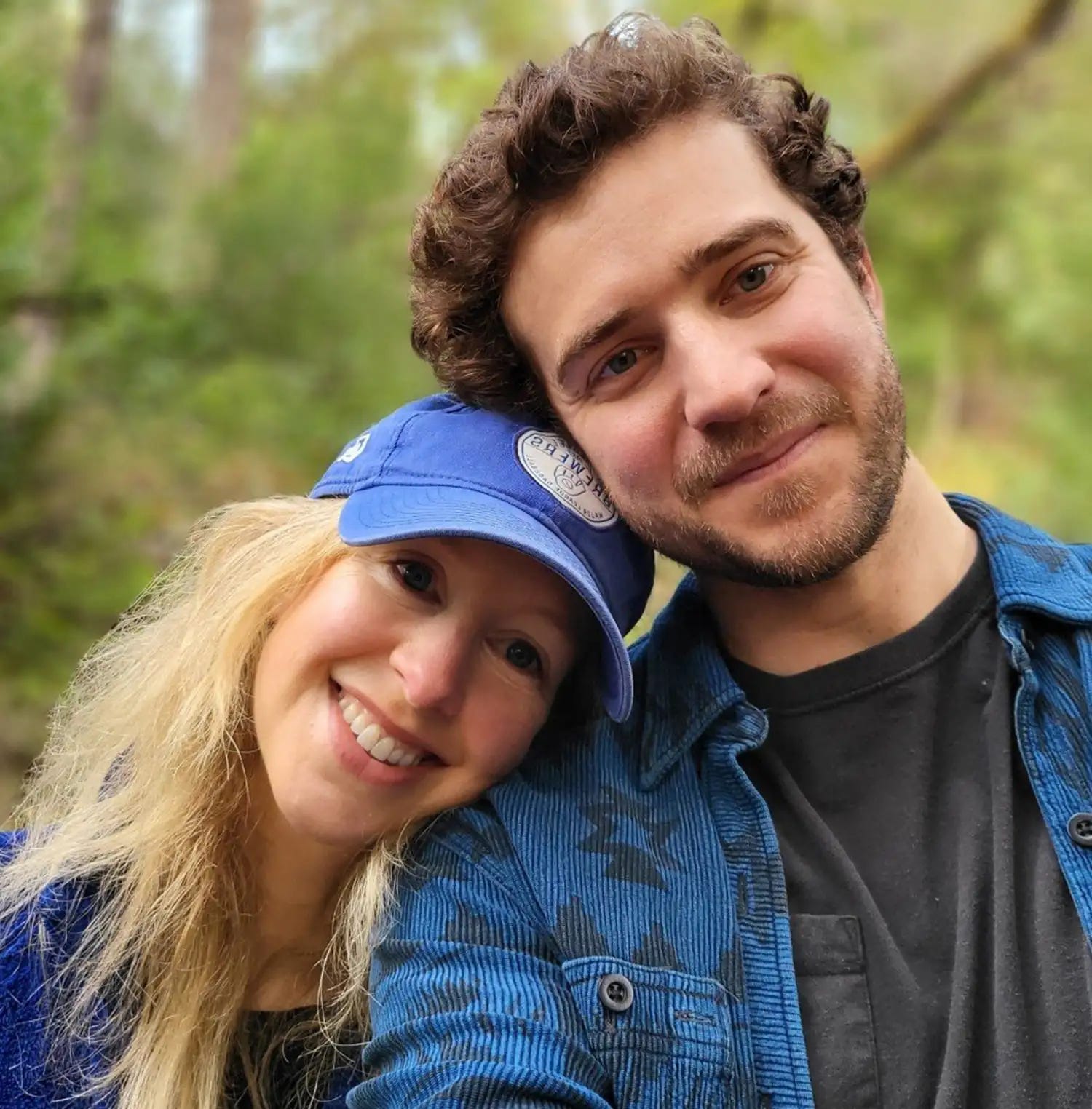
Billy was well aware of the Theranos scandal but didn’t realize he was talking to the disgraced founder until hours into their conversation. By then, he was already in love. Doesn’t sound toxic at all.
As it turns out—you cannot make this shit up—Evans and Holmes are working on another blood-testing technology with her sending ideas from prison. Like seriously, pick another niche.
As the film progresses, we learn how parasitic their relationship is. She granted him power of attorney, giving him control over her finances and public image. He’s been running her twitter posting crazy shit and even licensed her image for billboards and created an AI replica of her (which if I recall correctly people are—or could be—using for porn.)

“There’s just so much trust that most things I don’t really consult her on,” he explains. “I know what she’d want.”
In the moment, it seems like Evans is exploiting Holmes, but the more you sit with it, you realize that Holmes is also using him, having found the perfect surrogate to do her bidding from prison.
